October 2026
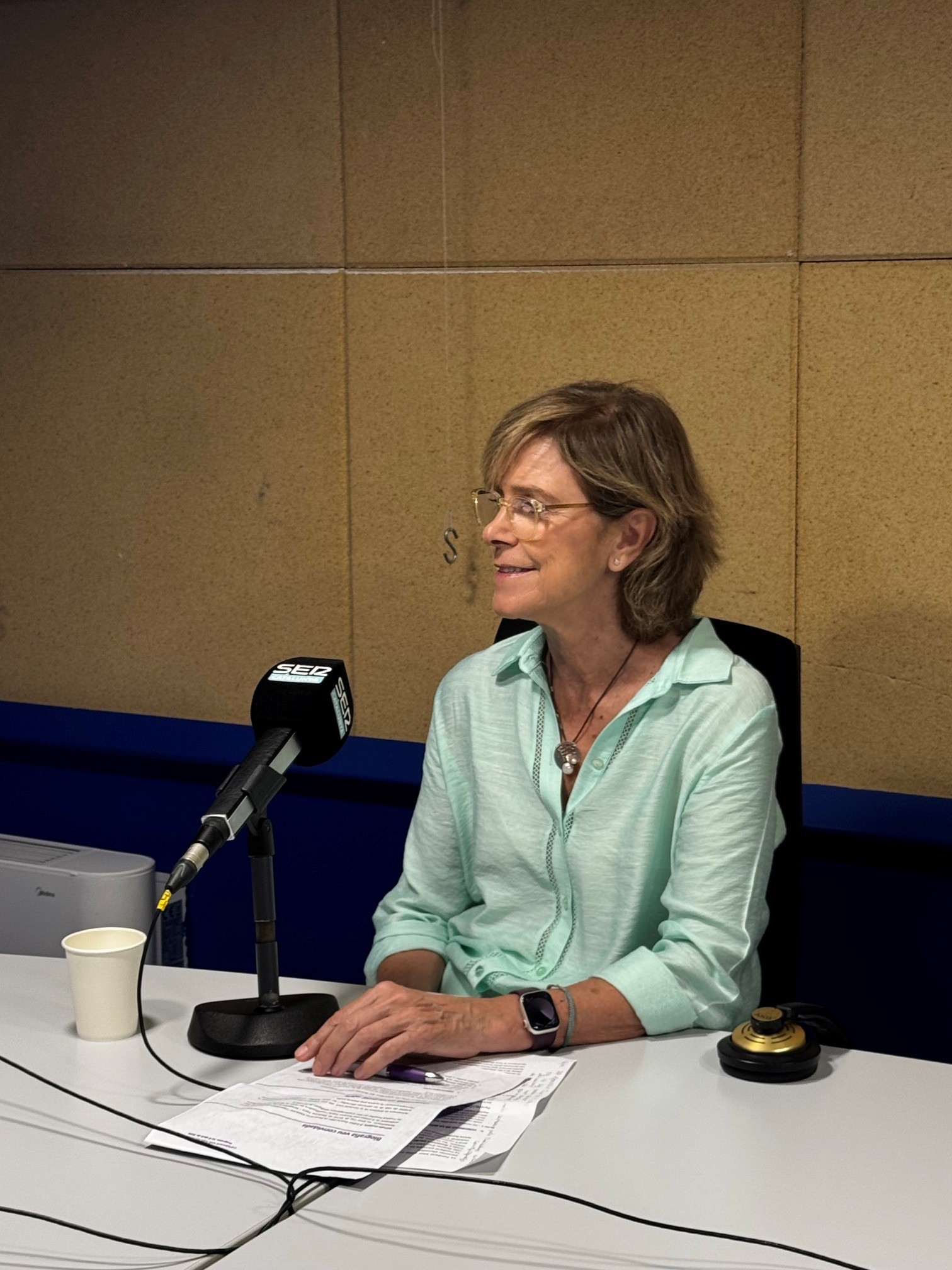
Who decides what is worth researching? Fundació Ictus speaks up on Catalan radio
SEISMIC partner Fundació Ictus joined Catalan radio to explain why patients and families should help set research priorities from the very start.
Two days of progress, practice and connection
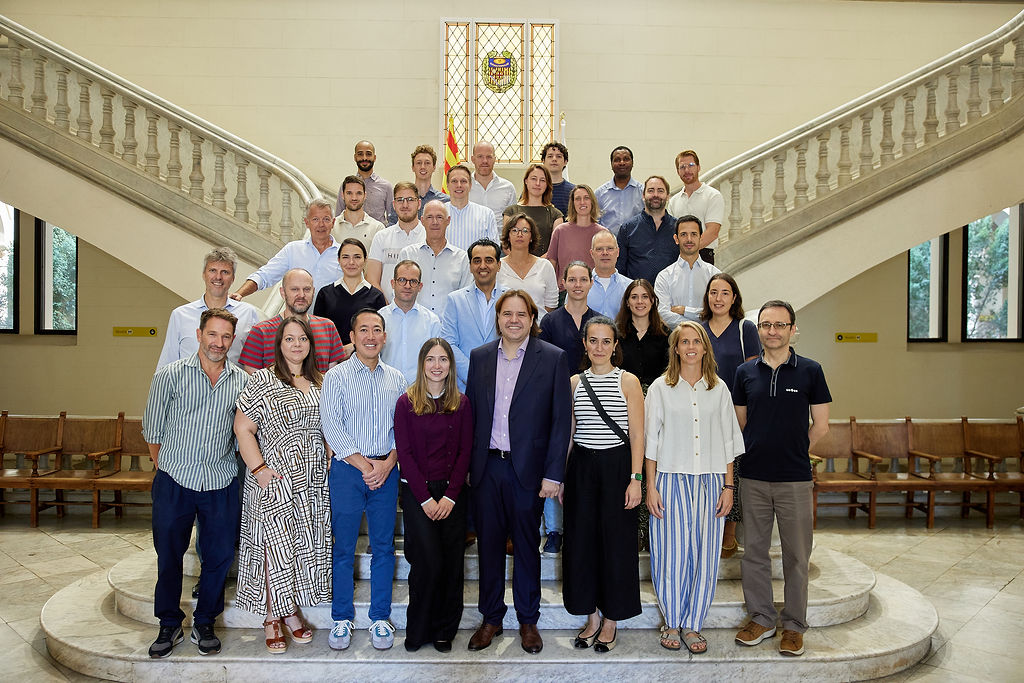
On 24 and 25 September 2026, the SEISMIC consortium gathered in Barcelona for two days of sharing progress, discussing next steps and working across disciplines. Hosted by IDIBAPS and Hospital Clínic de Barcelona, the meeting combined project updates with hands-on learning and a unique look inside one of the city's leading hospitals.
After a welcome from the Coordinator and our host, the first day was dedicated to work package updates. Each team shared what has been achieved so far and what lies ahead.
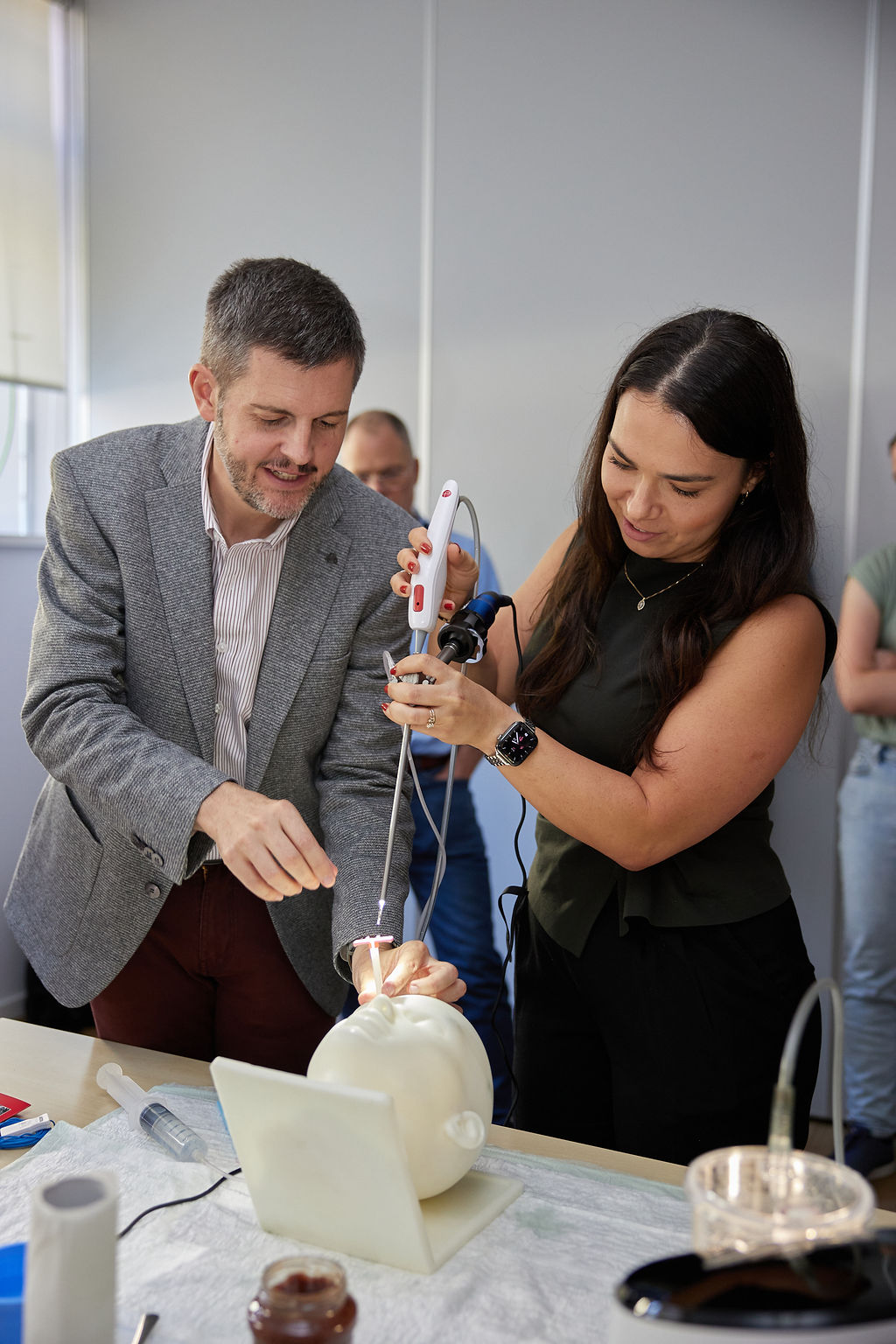
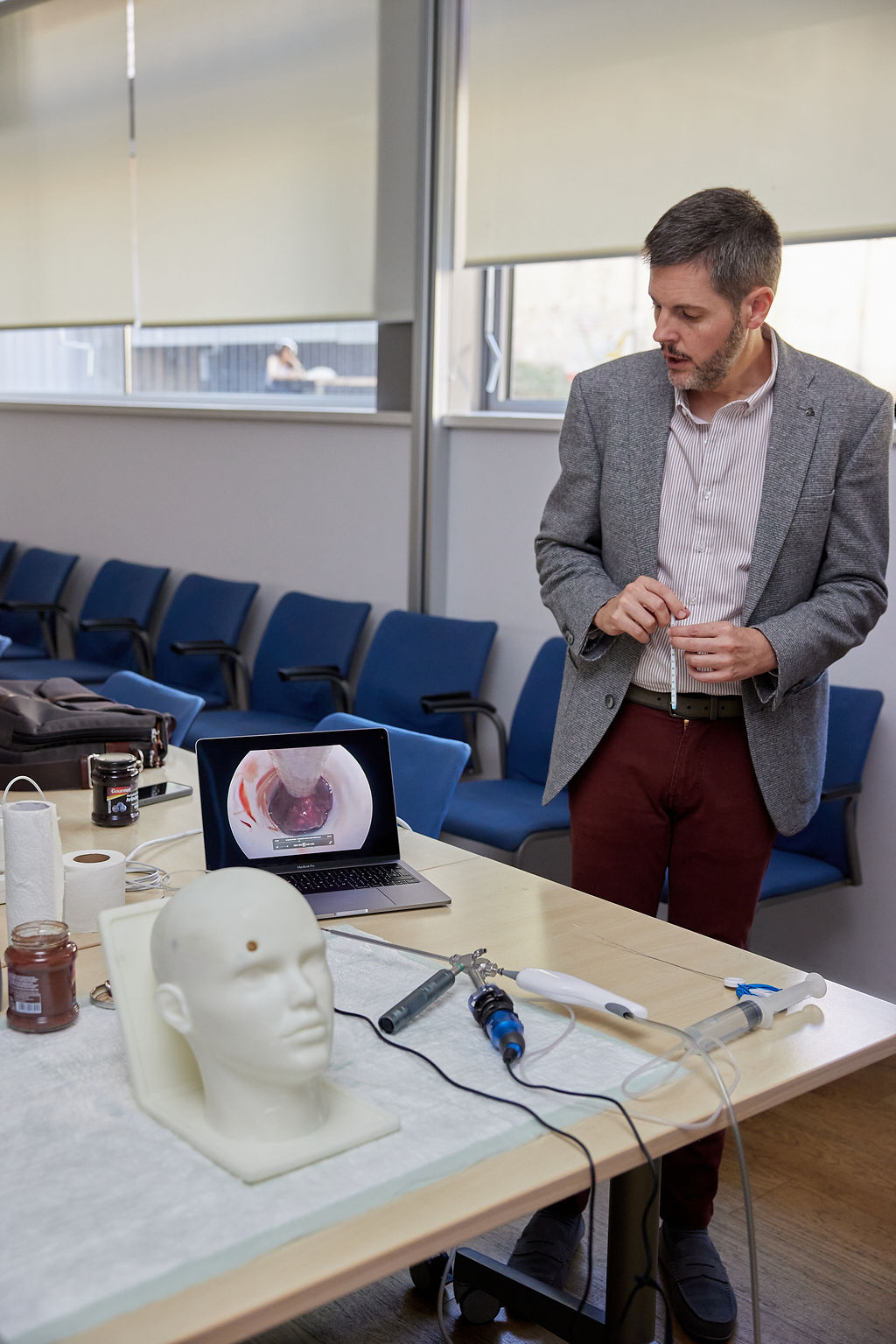
The afternoon of Day 1 was all about practice. Participants got hands-on with the SCUBA technique, short for Stereotactic Intracerebral Hemorrhage Underwater Blood Aspiration. Through a small opening, the surgeon uses an endoscope and an aspiration wand to remove a haematoma, aiming to clear as much blood as possible while limiting damage to the surrounding brain.
Guided by Manuel Álvarez López-Dóriga, we practised on a 3D-printed model of the head, with jam standing in for the blood clot. Participants introduced the instrument through a small opening in the skull and removed the "haematoma" while following their progress on a live endoscopic camera view. It was great fun to practise, and not only for the surgeons: even researchers and other non-clinicians in the consortium could try it out and get a feel for what the technique asks of the surgeon.
The day continued with a dedicated WP6 session on the data collection framework and health technology assessment (HTA). In the evening, we gathered at Hotel Zenit for the consortium dinner, a relaxed setting to continue conversations and get to know each other beyond our work.
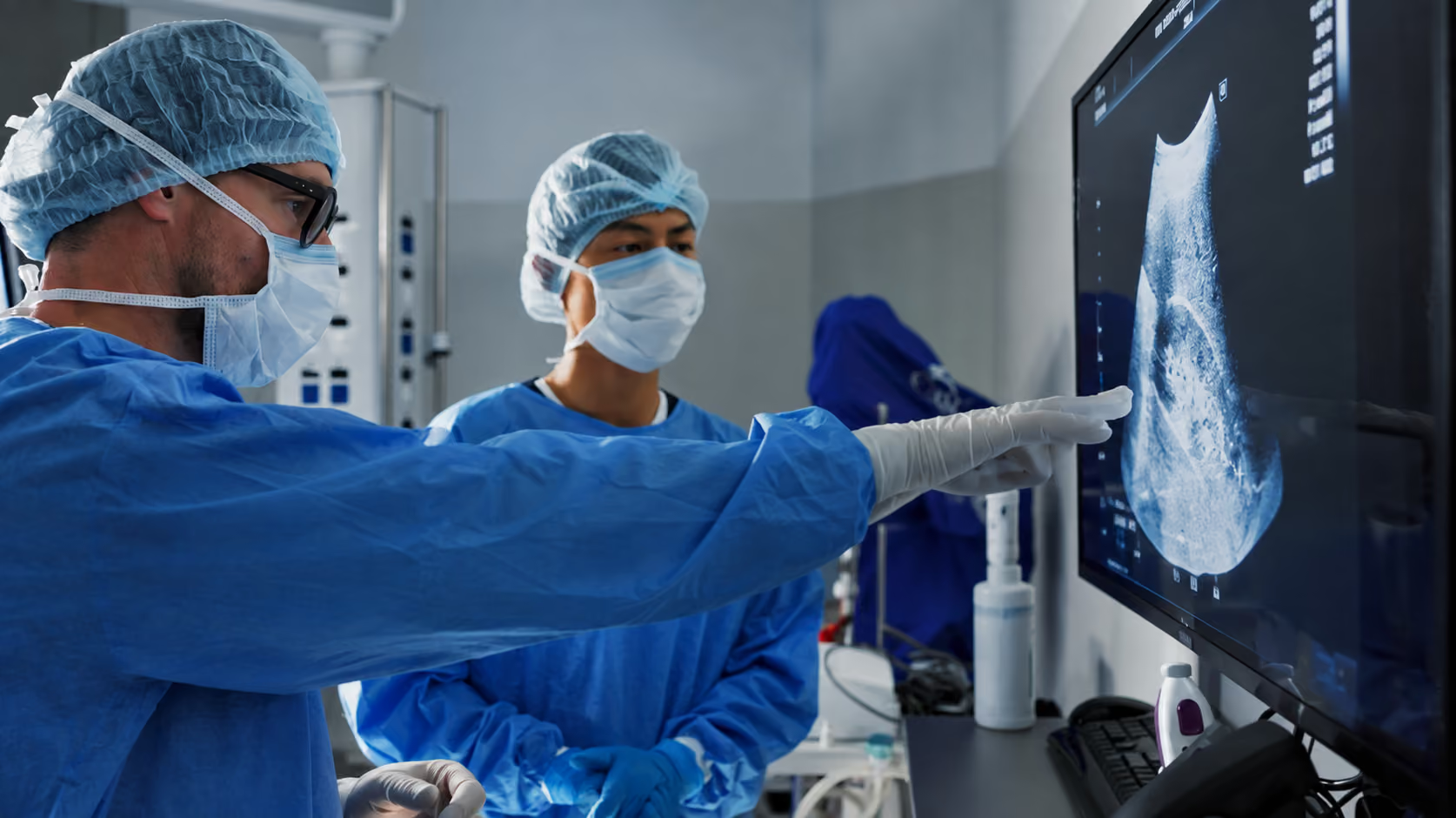
The second day started with the WP7 update, followed by a site visit to Hospital Clínic de Barcelona. Dr. Ramon Torné and Dr. Alejandra Mosteiro, both neurosurgeons at the hospital, showed us how new technologies are being implemented in their operating rooms. One example is the lighting in the ceiling follow the movements of the surgeon's hands, keeping the surgical field well lit.
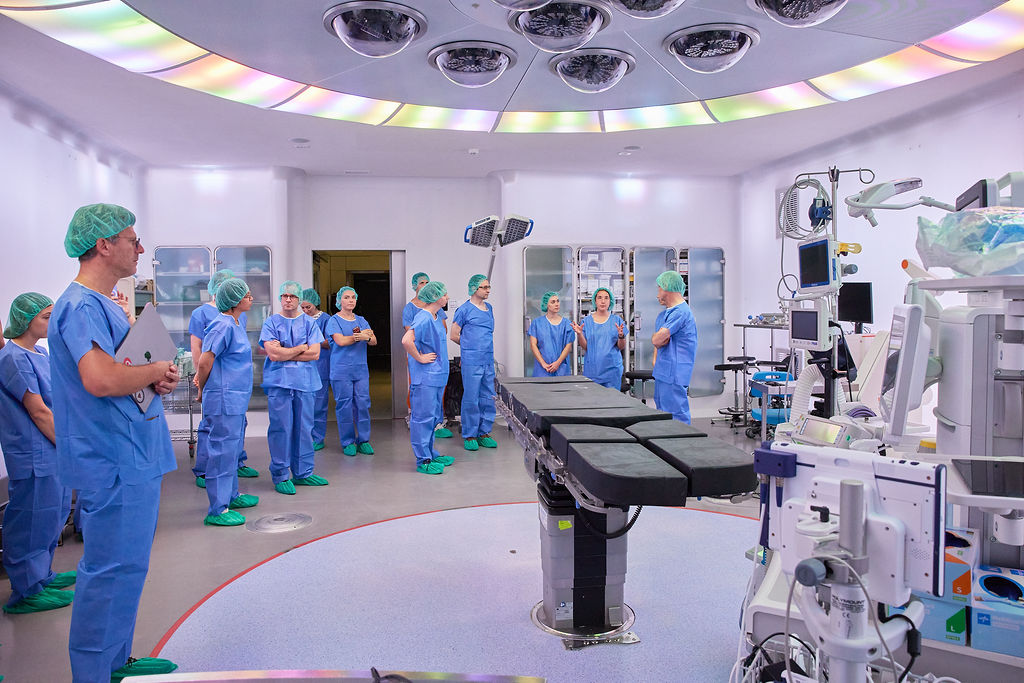
Hospital Clínic is housed in a beautiful historic building that opened in 1906, with ceilings that are not very high. An intraoperative C-arm, which provides real-time X-ray images during surgery, is usually mounted on ceiling rails and needs room to move around the patient, so a standard installation did not fit.
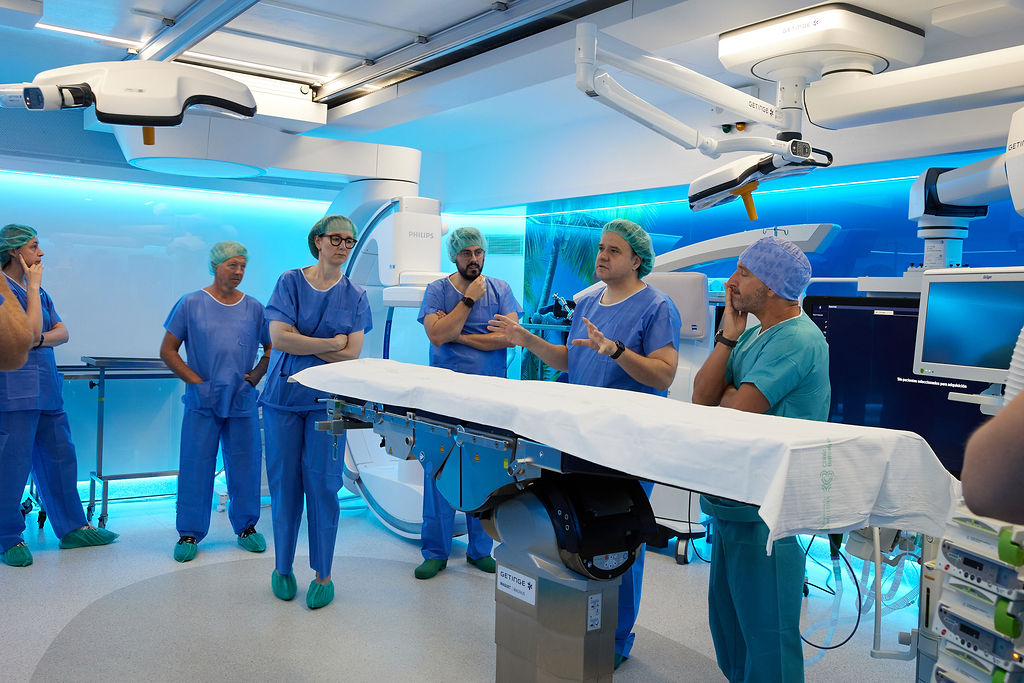
For SEISMIC, this was a valuable reminder that innovation in neurosurgery does not only depend on the technology itself, but also on how well it fits into the daily reality of the operating room.
The meeting closed with a two-part WP5 workshop. Using live polling through Mentimeter, partners shared their views. Their input will help guide the next steps in WP5.
We also enjoyed Barcelona during La Mercè, the city's annual festival. A big thank you to our hosts Dr. Ramon Torné, Dr. Alejandra Mosteiro for the warm welcome and for hosting the coffee breaks, lunches and dinner. We went home with new energy, new ideas and a nice SEISMIC notebook.